How Does the Foundation Repair Referral Process Work?
You don't have to figure out what's wrong with your foundation before reaching out. The process starts with the symptoms you've noticed, not with choosing a repair method.
- 01STEP 1
Describe What's Happening Around Your Home
Start with the issue that made you concerned.
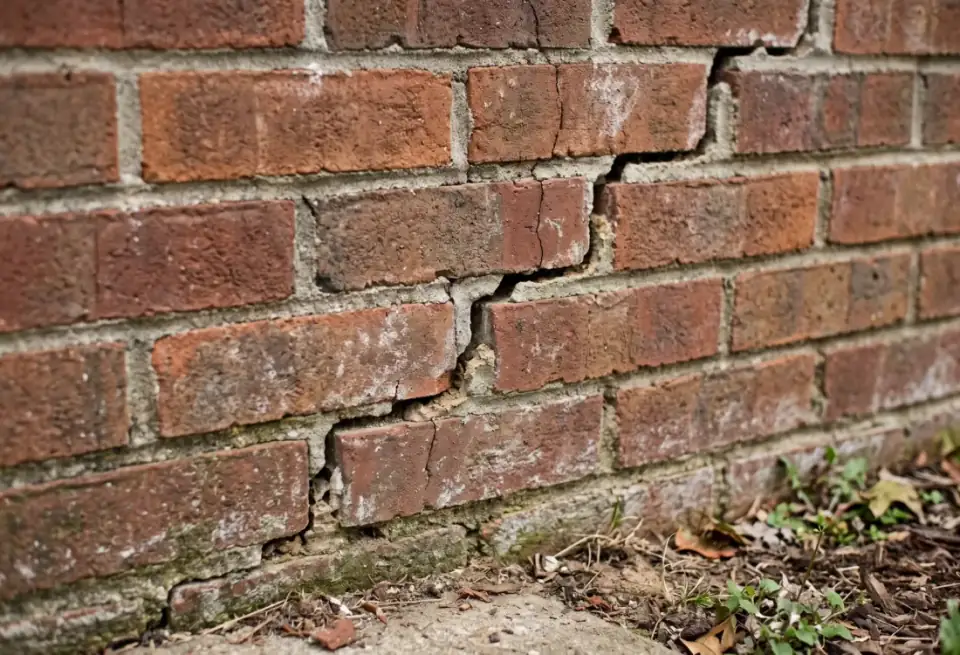
Maybe there's a horizontal crack in your basement wall. Perhaps the kitchen floor feels soft near an interior doorway, or you've noticed a gap opening between your porch and the house.
If you call, be prepared to explain what you're seeing and where it's happening.
What Information Is Helpful?
- Property location: Your city or ZIP code
- Main problem: Cracks, uneven floors, sticking doors, wall movement, or another concern
- Affected area: Basement, crawl space, exterior foundation wall, or a particular room
- Recent changes: Whether the problem is new, growing, or has stayed the same
- Other symptoms: Nearby water problems, additional cracks, or changes in doors and windows
You can describe the problem in everyday language.
For example:
There's a crack along the back basement wall. I noticed it a few months ago, but now the door above that area has started sticking.
That gives a professional more context than simply saying your foundation needs repair.
You don't need to know whether the cause is soil settlement, damaged framing, or something else.
- 02STEP 2
Your Inquiry May Reach an Independent Provider
Whether a referral is possible depends on the active service route, the property's location, the type of foundation problem, and provider availability.
If the inquiry is eligible, it may be referred or connected to an independent foundation service provider.
A call doesn't guarantee that a provider will be available, that your particular issue will be accepted, or that an appointment will be arranged.
If you do reach a provider, confirm the business name and what services it handles.
- 03STEP 3
Discuss Whether Your Home Needs an Evaluation
If you speak with an independent provider, explain the symptoms and ask what the next step would involve.
The provider may suggest looking at the affected area, reviewing the history of the problem, or arranging an on-site foundation inspection.
Sometimes additional investigation is needed before the cause of the movement can be understood.
A referral is not a foundation inspection. Speaking with a provider doesn't establish that your home has foundation damage or that a particular repair is necessary.
Ask About Possible Independent Foundation Help
Noticing cracks, uneven floors or foundation wall movement? Call to ask about available help. Provider availability varies and a connection or appointment is not guaranteed.
(866) 661-0846
Call to ask about available foundation repair help in your area. Tri-Cities Foundation Repair Help is an independent information and referral website, not a foundation repair contractor. Eligible inquiries may be connected with independent service providers, and we may receive compensation for qualifying referrals. Provider availability and a connection are not guaranteed.
What Happens During a Foundation Inspection?
If an inspection is arranged, what gets examined depends on the symptoms and the type of foundation.
A professional may look at:
- Foundation walls: Cracks, bulging, leaning, or displaced sections
- Floors and framing: Sloping areas, sagging joists, beams, or support columns
- Doors and windows: Changes that may indicate movement in nearby framing
- Exterior conditions: Drainage, soil erosion, and separation around steps or porches
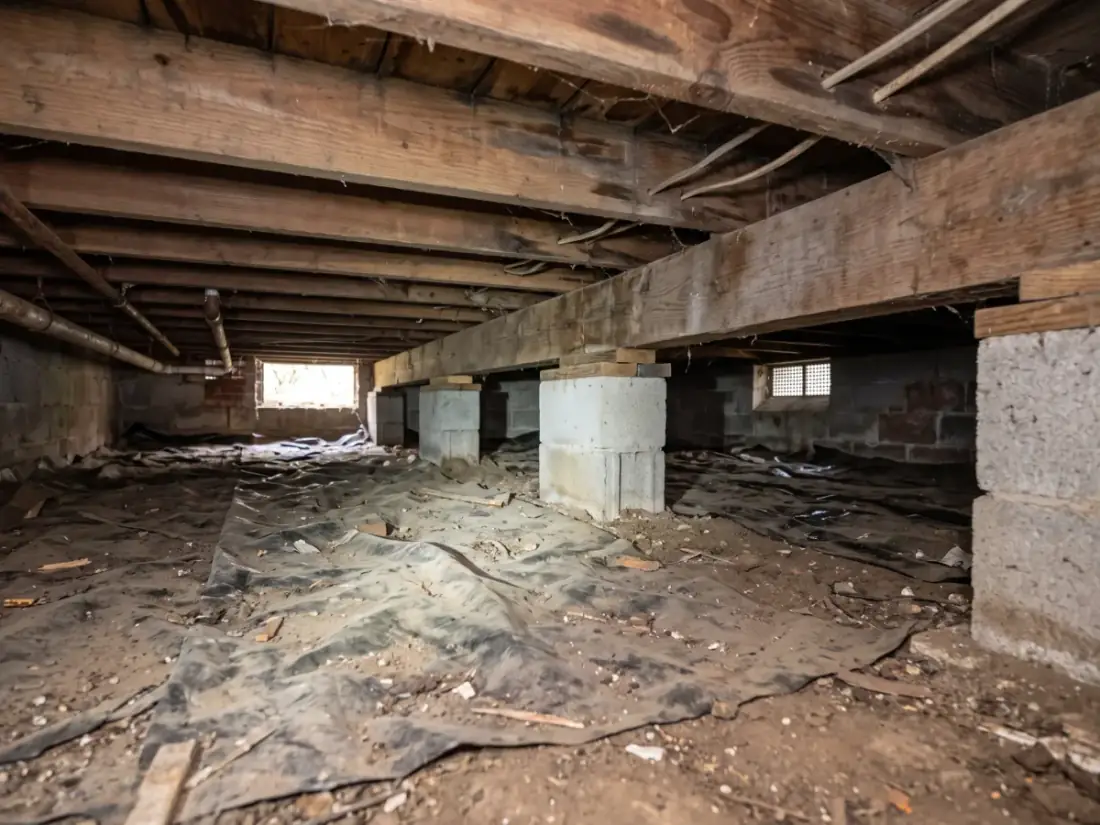
- Crawl spaces or basements: Visible structural deterioration or moisture-related concerns
An inspector may also take measurements and ask when certain changes first appeared.
For example, a sagging hallway floor doesn't necessarily mean the ground beneath your home has settled. The problem could involve a weakened floor joist or support beam.
That's why understanding the cause matters before choosing a repair.
When Might a Structural Engineer Be Helpful?
A qualified structural engineer can be useful when significant movement is suspected, the cause is unclear, or different professionals recommend conflicting approaches.
An engineering evaluation may also be appropriate when the concern involves complex structural conditions.
You can ask whether an independent engineering assessment would help before deciding how to proceed.
See our signs of foundation problems guide to understand which visible changes are useful to document.
What Should You Prepare Before Speaking With a Provider?
You don't need detailed paperwork or technical drawings to get started.
A few notes about your home can help you describe the issue clearly.
Homeowner Preparation Checklist
| What to check | Why it helps |
|---|---|
| When the problem started | Helps establish whether the condition is new or longstanding |
| Whether cracks or gaps are changing | Provides context about possible ongoing movement |
| Where the problem appears | Helps identify which part of the structure needs attention |
| Whether water collects nearby | Gives context about possible drainage concerns |
| Whether other symptoms appeared | Helps show whether changes may be related |
| Photos taken over time | Can help document visible changes |
Imagine noticing a thin crack beside your garage door in the spring. Several months later, you see the same crack extending into the brickwork.
Photographs taken from the same position may help a professional understand how the condition has changed.
Don't enter an unsafe crawl space, approach unstable ground, or remove structural materials to gather information.
For help identifying common symptoms, read our Signs of Foundation Problems guide.
What Is the Difference Between This Website and a Foundation Repair Contractor?
This distinction helps you understand who is responsible for each part of the process.
| Our independent website | An independent provider |
|---|---|
| Publishes educational information about foundation problems | May perform a property evaluation if arranged |
| Provides a potential referral contact option | Determines which services it offers |
| May facilitate eligible homeowner inquiries | Investigates the specific problem when engaged |
| Does not inspect or repair foundations | Is responsible for work it agrees to perform |
The website doesn't employ the independent providers or guarantee their work.
You should verify the identity and qualifications of any professional you're considering hiring.
Important distinction: We are a free-to-use information and referral service. Independent providers make their own decisions about evaluations, scheduling, qualifications and any work they agree to perform.
How Do You Know Whether to Proceed With a Foundation Repair Recommendation?
A foundation problem isn't always obvious from one crack or uneven floor.
Before agreeing to structural work, make sure the professional has explained what they found and why a particular approach is appropriate.
Questions Worth Asking
- What's causing the problem? Ask what visible evidence or measurements support the diagnosis.
- Is the movement ongoing? Find out whether additional monitoring or evaluation would be useful.
- Could another component be responsible? A sagging floor might involve framing rather than foundation settlement.
- What is the proposed repair meant to accomplish? Understand whether it addresses structural support, wall movement, drainage, or damaged framing.
- Who will perform the work? Confirm the business responsible and whether additional engineering or permits are needed.
You should feel comfortable asking for a clear explanation.
A trustworthy recommendation should make sense in relation to the problem observed at your property.
Verify the Contractor Before Moving Forward
If you're considering a provider in Tennessee, check whether the business holds the credentials required for the work involved.
The Tennessee Board for Licensing Contractors provides official consumer resources and license-verification information.
The Federal Trade Commission also recommends checking contractor credentials, understanding written agreements, and being cautious of high-pressure sales tactics.
A referral from this website should not be treated as an endorsement or proof of licensing.
Explore foundation repair methods and options and read about Johnson City soil and foundation conditions before comparing proposed approaches. Tennessee licensing requirements depend on the specific work and business involved.
Frequently Asked Questions
Do I Need to Know Which Foundation Repair Method My Home Needs?
No. Start by describing the visible problem.
Different symptoms can have similar causes, and the same symptom can result from different structural conditions. An appropriate repair should be based on an evaluation rather than a homeowner's initial guess.
Does Calling Mean I'll Get a Foundation Inspection?
No. A call is an inquiry, not a scheduled inspection.
If you reach an independent provider, ask whether an evaluation is available and confirm any arrangements directly.
Can I Request Help if I'm Not Sure It's a Foundation Problem?
You can describe what you're noticing without knowing the cause.
A sticking door, for example, may be related to humidity, worn hardware, or structural movement. Not every concern will require foundation work, and not every inquiry will qualify for a referral.
Will the Contractor Be Based in Johnson City?
Not necessarily.
Johnson City, TN, is the initial focus of this website, but participating provider locations and service eligibility depend on the active referral route. A locally based contractor or connection cannot be guaranteed.
What Happens to the Information I Provide?
When you call the displayed number, the Ringba / Lead Smart call system and any receiving independent provider may handle information needed to route and document an inquiry. The telephone system may request a ZIP code to check provider availability. Call-related information may include the caller's number, entered ZIP code, date and time, duration, connection status, and routing details. Actual handling depends on the services and provider involved.
We have not independently verified whether every call is recorded, monitored, or transcribed. Follow any notices provided during the call, and ask the receiving provider about its practices. Our website does not currently operate a homeowner lead-submission form.
Read our Privacy Policy and Terms & Disclosure for more about these arrangements before sharing personal details.
Read our Privacy Policy, Terms & Disclosure, and Editorial Standards for more about this independent publication.
Looking for Foundation Repair Help in Johnson City?
You don't need to diagnose your foundation before asking questions.
If you've noticed new cracks, uneven floors, wall movement, or other structural changes, begin with a clear description of what you're seeing and how it has changed.
If an eligible referral route is available, your inquiry may reach an independent provider who can discuss possible next steps.
Questions About Possible Foundation Problems?
Start with what you have noticed. Call to ask about independent foundation repair help, when a verified referral route is available. Provider connections, appointments and repair outcomes are not guaranteed.
Call for Foundation Help(866) 661-0846
Call to ask about available foundation repair help in your area. Tri-Cities Foundation Repair Help is an independent information and referral website, not a foundation repair contractor. Eligible inquiries may be connected with independent service providers, and we may receive compensation for qualifying referrals. Provider availability and a connection are not guaranteed.
More homeowner resources: Johnson City foundation repair information · Repair methods · Warning signs · Local soil conditions.
Published October 18, 2026. Educational information only, not a diagnosis or independent contractor endorsement.